Posts Tagged ‘LTC’
WHAT IS A LOOK-THROUGH COMPANY? (LTC)

What is a Look-Through Company? This structure — an LTC — is a unique business structure in New Zealand. It combines the legal benefits of a limited liability company with the tax advantages of a partnership. Introduced in 2011 as a replacement for the Loss Attributing Qualifying Company (LAQC) regime, LTCs allow income and…
Read MoreLTC RENTAL PROPERTY NZ: PROS, CONS AND ALTERNATIVES FOR PROPERTY INVESTORS

However, this legal vehicle does allow you to proportion losses (and income) according to the amount of shareholding that each shareholder has.
Read MoreHOW DO YOU SET UP AN LTC?
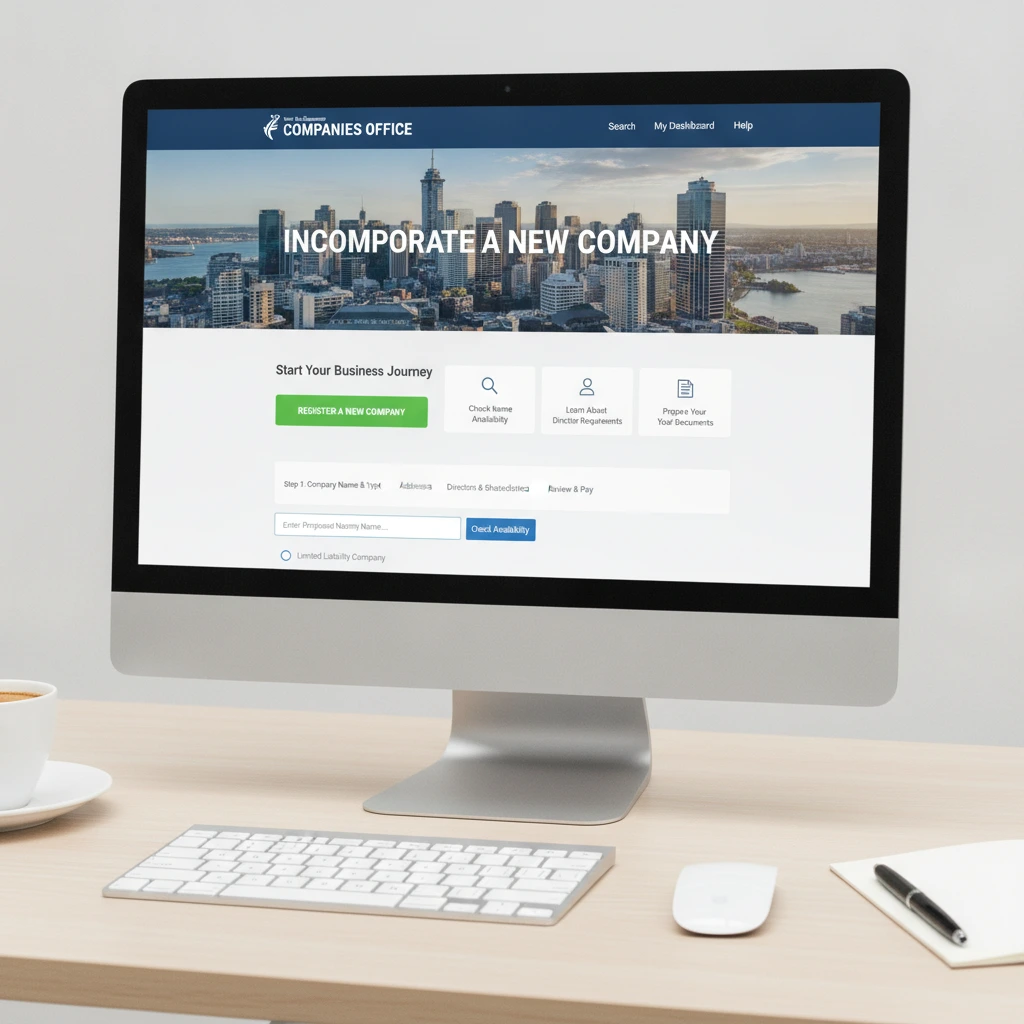
Who will be the company directors?
How many directors will you have?
Who will be the shareholders?
How many shares will they own?
WHAT IS A SOLVENCY RESOLUTION?

WHAT IS A SOLVENCY RESOLUTION? A solvent company is one where the assets are more than the liabilities. An insolvent company is the opposite
Read MoreBEST RENTAL PROPERTY OWNERSHIP STRUCTURE

Many clients ask us “what’s the best structure for my investment property?” We set out here to outline some of the pros and cons.
Read MoreTRUST VS LTC FOR RESIDENTIAL INVESTMENT PROPERTY

Trust vs LTC for residential investment property – which is better?
Well, it depends if the property is negatively or positively geared, i.e., does it make a loss or a profit.
Read MoreGETTING STARTED IN INVESTMENT PROPERTY

Oftentimes, an LTC is the best way to go. However, there are other factors to consider: Are you single or with a partner? If you have a partner, are you both in the same tax brackets?
Read MoreCOMPLIANCE REQUIREMENTS – LTCS AND COMPANIES

COMPLIANCE REQUIREMENTS – LTCS AND COMPANIES. What are the Compliance Requirements for your LTC (Look-Through-Company) or standard Company? First let’s talk about your obligations as a director.
Read MoreCHANGES TO FINANCIAL REPORTING REQUIREMENTS FOR SMES

ou might have heard of the Financial Reporting Act 2013 and the Financial Reporting (Amendments to Other Enactments) Act 2013. Maybe not. Anyway, changes which took effect on 1 April 2014 mean that entities that do not meet the large entity definition will no longer be required to prepare financial statements in accordance with NZ GAAP.
Read MoreUNDERSTANDING FINANCIAL STATEMENTS

It is a statement of what your business/company owns (assets) and owes (liabilities). Assets include things like bank accounts, inventory (stock) property, cars, computers, money owed to you (debtors) etc.
Read More